
Colorado researchers examined lots of of cannabis products and found that almost half of flower labels overstated their THC potency.
The findings reveal how inconsistent testing and labeling practices can mislead consumers about strength and safety. Scientists say future labels should also include other cannabinoids like CBG and CBGA, which may have beneficial effects.
THC Label Accuracy Under the Microscope
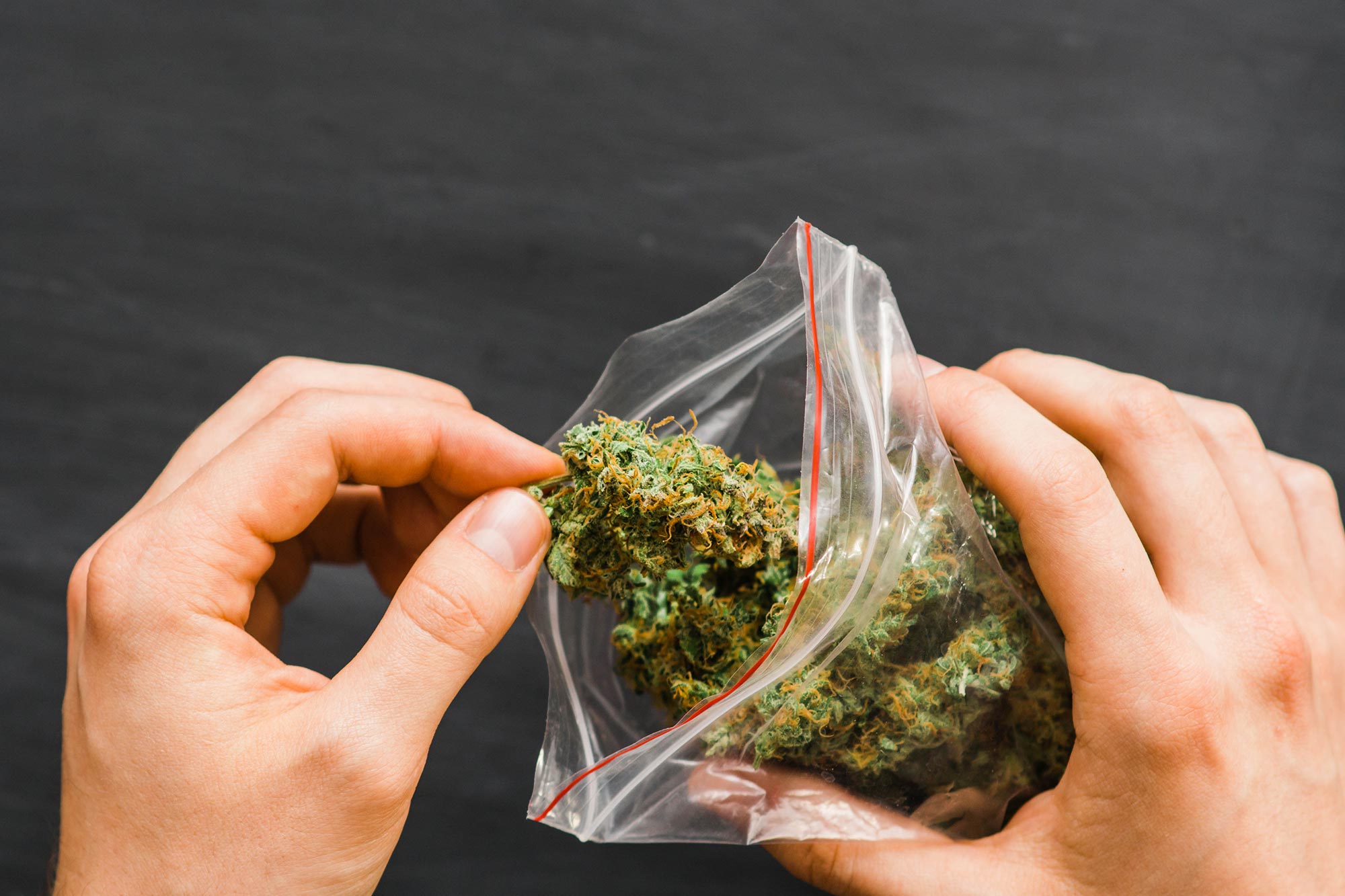
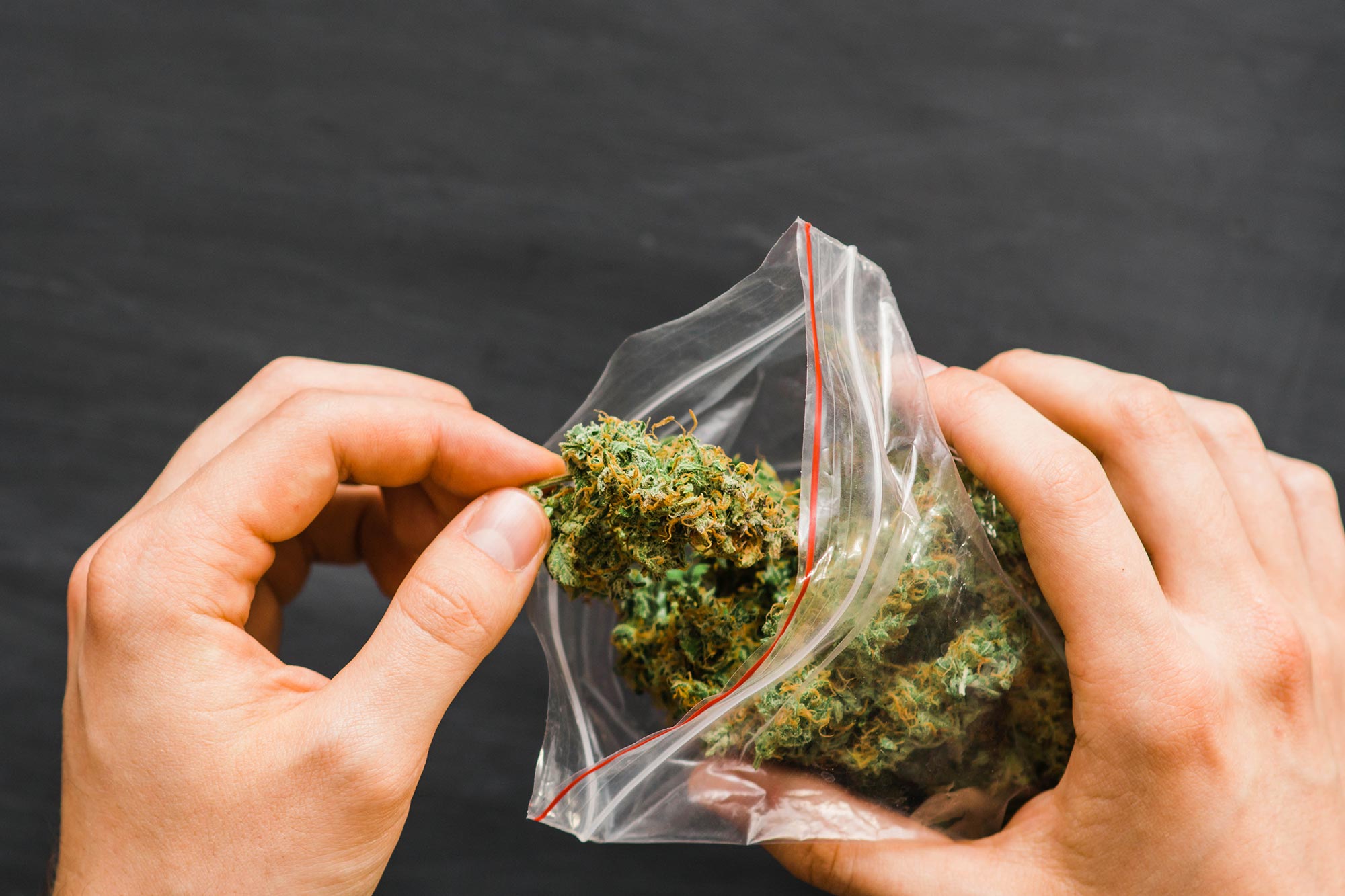
Nearly half of the cannabis flower products sold in Colorado carry potency labels that do not match what is actually in the package, with many suggesting higher THC levels than testing later confirmed. By comparison, cannabis concentrates such as oils and waxes generally reflected their true contents, with 96% found to be labeled correctly.
These results come from a detailed statewide review of cannabis items purchased at licensed dispensaries in Colorado, the first state to approve recreational marijuana. The research, published recently in Scientific Reports, represents the first full-scale examination of labeling accuracy in the legal cannabis market. The findings highlight how potent today’s products have become, areas where testing and labeling practices are performing well, and places where improvements are still needed.
Why Accurate THC Information Matters
“Cannabis use has complex and wide-ranging effects, and we are working hard to better understand them,” said senior author Cinnamon Bidwell, associate professor of psychology and neuroscience at CU Boulder and co-director of the Center for Health and Neuroscience, Genes and Environment (CU Change). “While that research plays out, we should, at the very least, be providing accurate information about the amount of THC in these products.”
The project received funding from the Institute of Cannabis Research, Colorado’s official cannabis research institute, and was carried out with MedPharm Research, LLC, which is licensed to test, manufacture, and sell cannabis.
“We want to instill and foster trust in products, and the only way to do that is to continually evaluate and correct any issues that might be discovered,” said Duncan Mackie, director of pharmacology at MedPharm and a co-author on the paper.
Stronger Weed, Problematic Labels
Because federal restrictions prevent university researchers from purchasing or handling cannabis from the legal market, working with industry partners was essential, explained first author Gregory Giordano, a professional research assistant in the Department of Psychology and Neuroscience.
A MedPharm secret shopper visited dispensaries across 19 counties, collecting 277 products from 52 locations. Of these, 178 were flower items (including loose flower and pre-rolled joints) and 99 were smokable concentrates ranging from distilled liquids to Moroccan hash and waxy “sugar.” Edible products were not included in this stage of the research.
The shopper then provided photos of each label to Bidwell’s team. After that, MedPharm chemists tested the numbered samples without seeing the original labels, ensuring an unbiased comparison between what was listed and what was found.
The Rise of Ultra-Potent Cannabis
Data analysis showed that flower products contained, on average, about 21% THC, or tetrahydrocannabinol—the main psychoactive ingredient in cannabis. Concentrates contained 71% THC on average, with some containing as much as 84%.
In the 1980s, the typical THC content in marijuana was around 8%.
“THC content has increased significantly, and we know that greater THC exposure is likely associated with greater risks, including risk of cannabis use disorder and some mental health issues,” notes Bidwell.
Label Accuracy: A Mixed Report Card
Products were considered “accurately labeled” if they contained within 15% of the THC amount shown on the label—the same threshold the state uses.
About 44% percent of flower products failed to meet that standard, with 54 of those products inflating their THC content on the label and 23 containing more THC than the label indicated.
Either is concerning, the researchers say.
For those using cannabis medically, adequate dosing can be critical. For those using cannabis recreationally, taking more than expected can be dangerous.
Some discrepancies were large — one flower product was labeled as having 24% THC but had only 16%. But on average, the difference between labeled and observed THC was about 2%.
Only four concentrate products were labeled inaccurately.
“When it comes to concentrates, I would say Colorado gets a good grade for labeling accuracy, but there are some real issues with flower,” said Bidwell.
Why Labels Go Wrong
Previous research in other states has shown that third-party testing labs often inflate THC potency, possibly to gain the business of marketers wanting to attract consumers seeking stronger products.
However, there are other potential explanations for the discrepancy: Concentrates are often made from homogenous oils that are easier to analyze, whereas plants are inherently heterogenous and harder to test.
Small changes in testing protocols could reduce mislabeling, the researchers said.
Beyond THC and CBD
The researchers also evaluated a range of additional cannabinoids (active compounds found in the Cannabis sativa plant), including cannabidiol (CBD), cannabigerol (CBG), and cannabigerolic acid (CBGA). Colorado law requires companies to list CBD amounts on product labels, and about 80% to 85% of items met that requirement.
However, only 16% of the products included any details about other, less familiar cannabinoids.
One notable finding was that CBG and CBGA, which have been linked to potential anti-inflammatory and anti-anxiety effects, appeared in higher concentrations than CBD across many product categories.
Toward Smarter Cannabis Regulation
“Focusing on THC on the label can actually do a disservice for consumers, because it creates an environment in which people buy based solely on THC content,” said Bidwell. “Our data suggests that multiple other cannabinoids should also be reported on there.”
Looking ahead, Bidwell and Mackie plan to expand their work with support from the Institute of Cannabis Research, which will include examining labeling practices for cannabis edibles.
As more states adopt medical and recreational cannabis laws, the team hopes their findings will help guide more effective regulatory decisions.
“We all want the same thing,” said Mackie, “a strong, successful industry that regulators can feel good about, businesses can thrive in, and customers can trust.”
Reference: “Accuracy of labeled THC potency across flower and concentrate cannabis products” by Gregory Giordano, Colin P. Brook, Marco Ortiz Torres, Grace MacDonald, Carillon J. Skrzynski, Jonathon K. Lisano, Duncan I. Mackie and L. Cinnamon Bidwell, 1 July 2025, Scientific Reports.
DOI: 10.1038/s41598-025-03854-3
Never miss a breakthrough: Join the SciTechDaily newsletter.
Follow us on Google and Google News.