


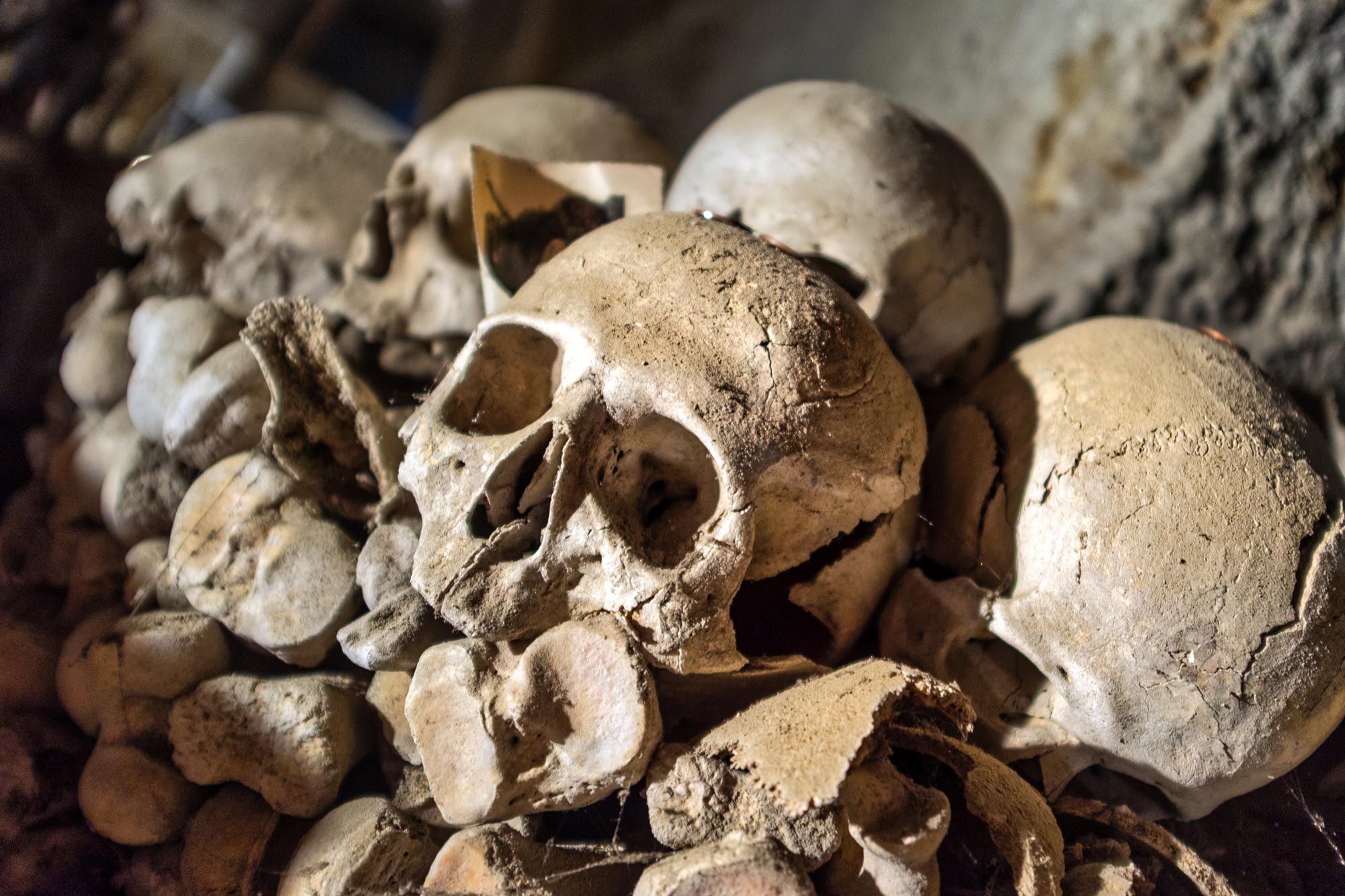
Scientists analyzing historical DNA from a 12,000-year-old double burial in southern Italy uncovered genetic evidence of a rare inherited growth disorder in two closely related prehistoric individuals.
A team led by researchers at the University of Vienna and Liège University Hospital Centre has traced a rare inherited growth disorder to two people who lived more than 12,000 years ago. By pairing ancient DNA results with tools used in modern clinical genetics, they identified the condition in a mother and daughter buried together in southern Italy.
Reported in the New England Journal of Medicine, the work highlights how paleogenomics is becoming a way to study both ancient population history and the biological roots of disease in individual prehistoric lives.
The findings come from a new look at a famous Upper Paleolithic burial uncovered in 1963 at Grotta del Romito in southern Italy. The site has remained a scientific mystery because the bones show unusual growth patterns and the burial itself is striking, leaving open questions about who these people were and what might explain their shared short stature. In cases like this, skeletal clues can suggest a disorder, but many conditions can produce similar bone changes, which makes definitive answers hard to reach without genetic evidence.
A remarkable double burial raises questions
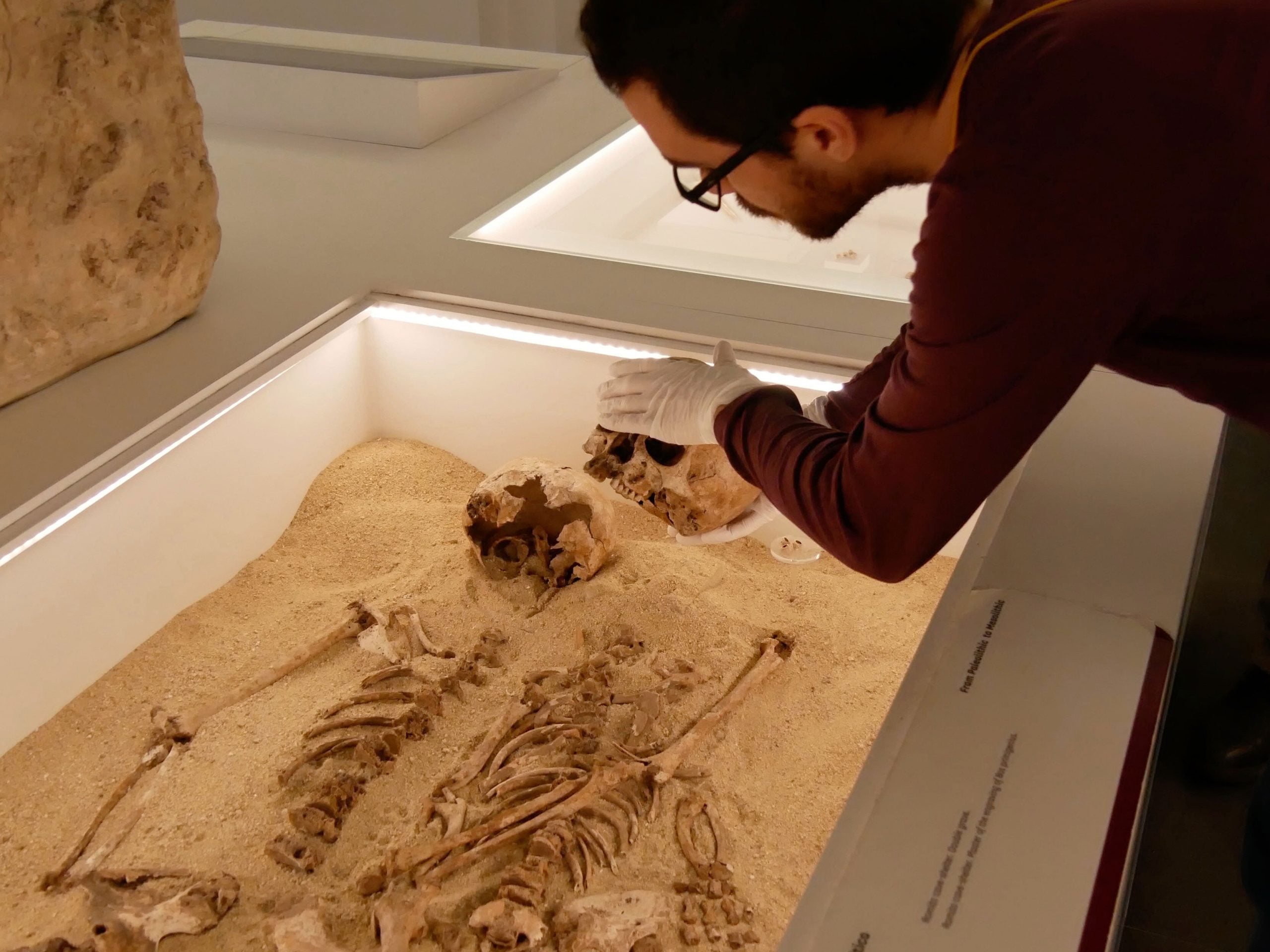
The two individuals were laid to rest together in what appears to be an embrace. “Romito 2”, an adolescent with pronounced limb shortening who was long assumed to be male, was found cradled in the arms of “Romito 1”, believed to be an adult female. Researchers reported no signs of trauma.
Estimated from skeletal measurements, Romito 2 stood at about 110 cm, a height consistent with a rare disorder called acromesomelic dysplasia, though bone evidence alone could not confirm it. Romito 1 was also shorter than typical for the time, at about 145 cm. For decades, these details fueled debate over their sex, their relationship, and whether a single underlying cause could link their stature.
About the study
The team analyzed ancient DNA extracted from the petrous part of the temporal bone of both individuals, a region known for preserving genetic material well. Genetic analysis established a first-degree relationship. The researchers then screened genes associated with skeletal growth and compared the identified variants with modern clinical data.
This interdisciplinary approach, combining paleogenomics, clinical genetics, and physical anthropology, involved an international team from the University of Vienna and collaborators in Italy, Portugal, and Belgium.
Earliest genetic diagnosis in humans
The analysis showed that both individuals were female and first-degree relatives, most likely a mother and daughter. In Romito 2, researchers identified a homozygous variant in the NPR2 gene, which is essential for bone growth.
This confirmed a diagnosis of acromesomelic dysplasia, Maroteaux type — a very rare inherited disorder characterized by severe short stature and marked shortening of the limbs. Genetic data from Romito 1 indicate that she carried one altered copy of the same gene, a condition associated with milder short stature.
Rare diseases in human history
Ron Pinhasi, University of Vienna, who co-led the study says: “By applying ancient DNA analysis, we can now identify specific mutations in prehistoric individuals. This helps establish how far back rare genetic conditions existed and may also uncover previously unknown variants.”
Daniel Fernandes of the University of Coimbra, first author of the study, adds: “Identifying both individuals as female and closely related turns this burial into a familial genetic case. The older woman’s milder short stature likely reflects a heterozygous mutation, showing how the same gene affected members of a prehistoric family differently.”
Clinically, the results highlight the deep history of rare diseases. Adrian Daly of Liège University Hospital Centre, a co-leader of the study, notes: “Rare genetic diseases are not a modern phenomenon but have been present throughout human history. Understanding their history may help in recognising such conditions today.”
Evidence of social care
Despite severe physical limitations, Romito 2 survived into adolescence or adulthood, suggesting sustained care within her community. Alfredo Coppa of Sapienza University of Rome, who also co-led the study, says: “We believe her survival would have required sustained support from her group, including help with food and mobility in a challenging environment.”
Reference: “A 12,000-Year-Old Case of NPR2-Related Acromesomelic Dysplasia” by Daniel M. Fernandes, Alejandro Llanos-Lizcano, Florian Brück, Victoria Oberreiter, Kadir T. Özdoğan, Olivia Cheronet, Michaela Lucci, Albert Beckers, Patrick Pétrossians, Alfredo Coppa, Ron Pinhasi and Adrian F. Daly, 28 January 2026, New England Journal of Medicine.
DOI: 10.1056/NEJMc2513616
Never miss a breakthrough: Join the SciTechDaily newsletter.
Follow us on Google and Google News.